Nanomembrane Research Group
  • Home
  • Publications
  • Membranes
    • Common Chip Formats
    • Common Membranes
    • Microslit Membranes
  • Devices
    • µSiM
      • Geometry
      • µSiM CAD Files
      • Assembly
        • Protocols.io (µSiM Assembly)
        • Instructions
        • Common Issues and Troubleshooting Tips
      • Cell Culture Protocols
        • Top Well: hCMEC/D3
        • Top Well: HUVEC
        • Bottom Channel Culturing
        • Immunocytochemistry Protocol
        • Impact of Chip Orientation on Fluorescence Imaging
        • Permeability: In Situ Method
        • Permeability: Sampling Method
        • Cell Culture Common Issues and Troubleshooting Tips
    • SepCon®
      • Sepcon Assembly
      • Sepcon Video Protocol: Assembly
      • SepCon Gasket Silhouette File
      • SepCon Video Protocol: Wetting the membrane
      • SepCon Video Protocol: Disassembly
    • µSiM-DX
      • µSIM Video Protocol: Capture of Nanoparticles
  • Impact
    • TraCe-bMPS
    • HCIC
    • LOMP
    • SiMPore

Nanomembrane Research Group

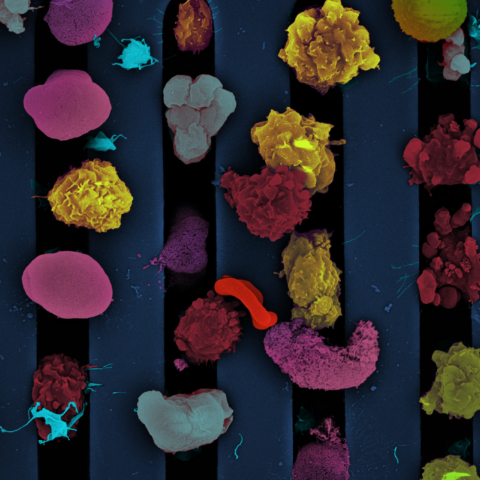
The NRG is a highly interdisciplinary team of faculty, students, scientists, and engineers working on the development and application of ultrathin porous membrane technologies. Started at the University of Rochester in 2007, the NRG has grown into a network of talented academic and industrial collaborators from around the world. Collaboration is a core part of our mission. So if you have an idea for our membranes or devices, please inquire.
  • Previous
  • Next
Georgen Hall Tap
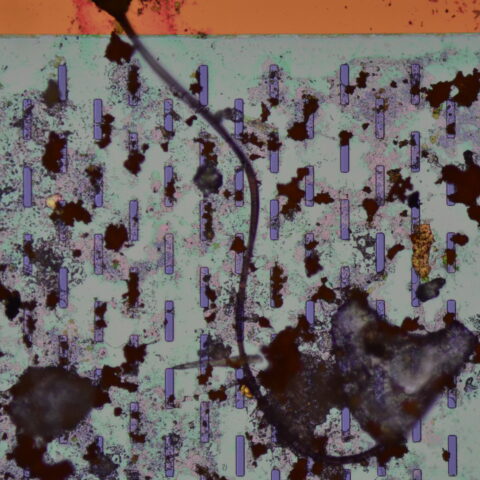
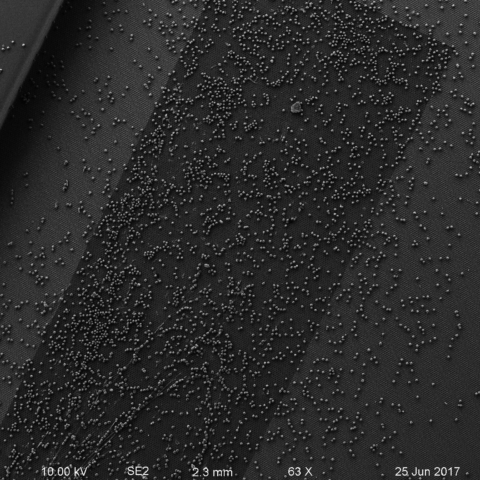
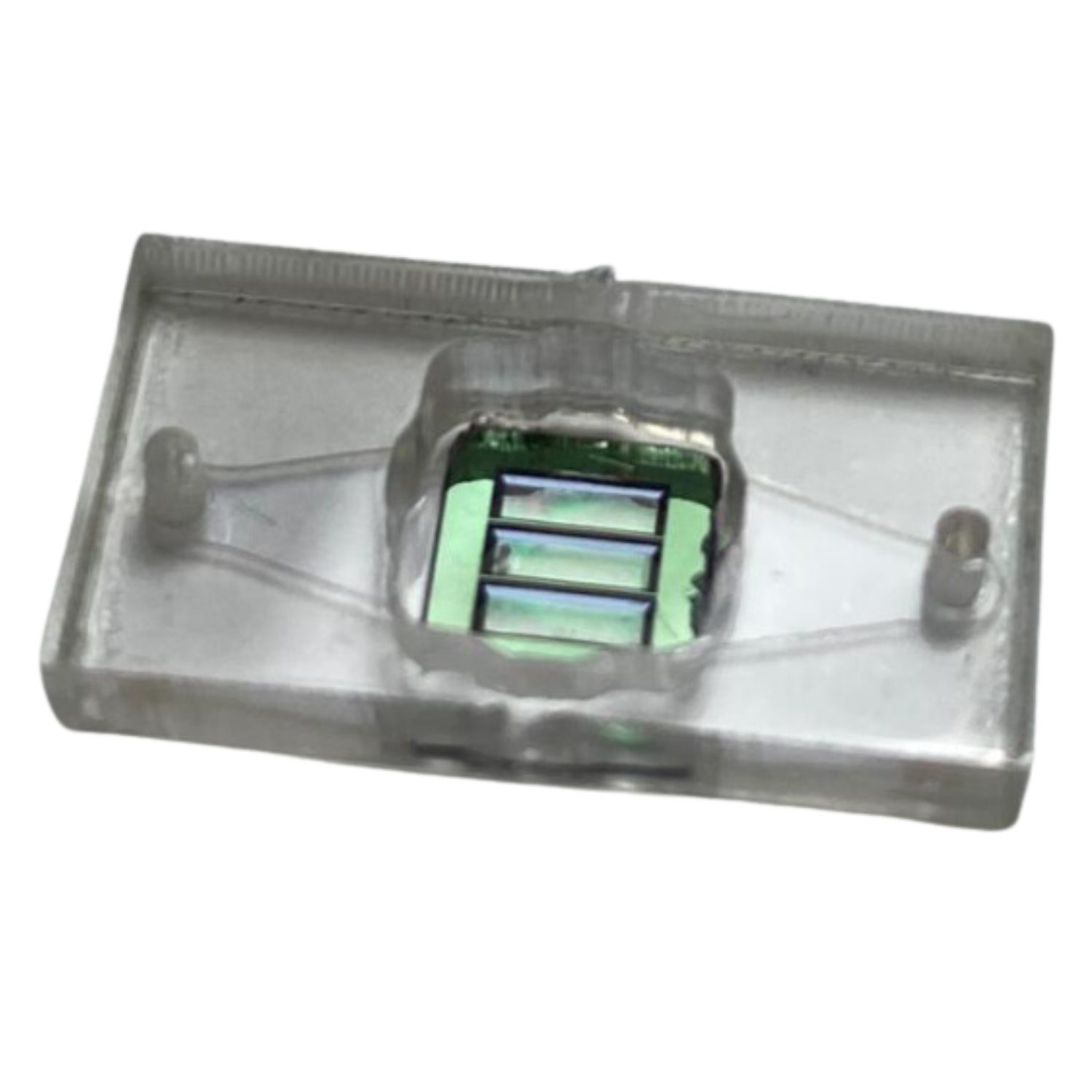
3 slot Microslit Membrane

Materials

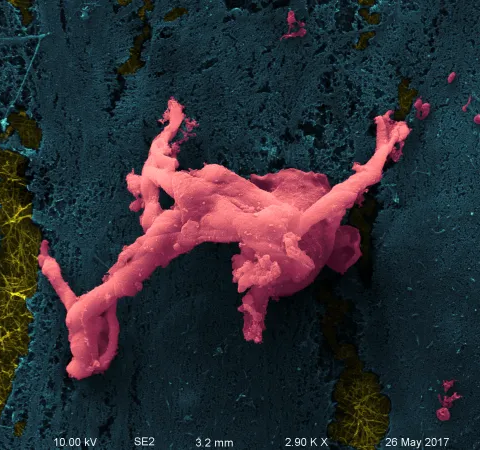
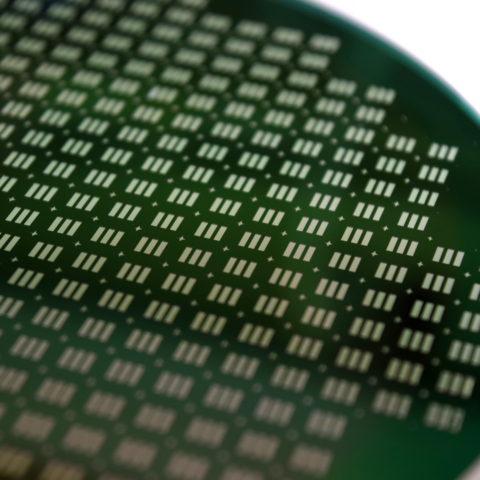
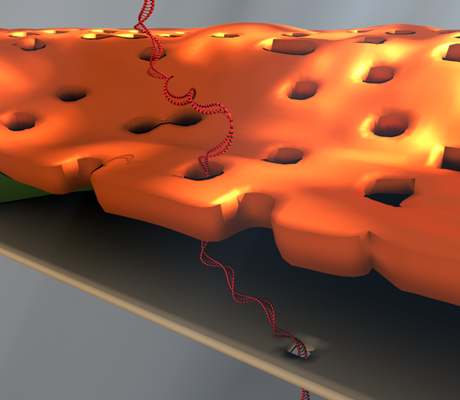
Porous nanocrystalline silicon (pnc-Si) is the membrane that started it all, but NRG scientists now make a variety of materials including microporous, organic, and composite membranes. The common characteristics of our materials are that they are free-standing and porous with a nanoscale thickness.

Properties

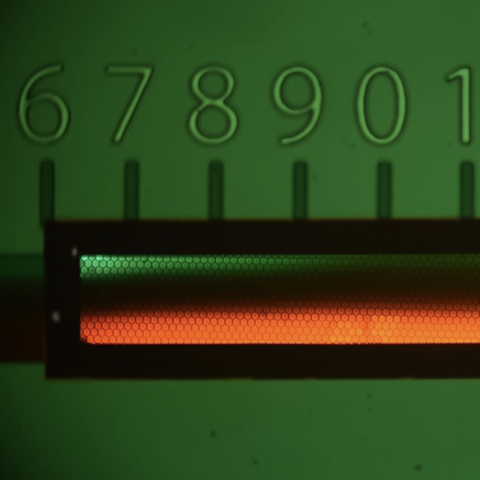
Utrathin porous membranes are exceptionally permeable to gases, fluids, and diffusing species. They are also transparent to light and electrons giving unique opportunities for metrology. Nanomembranes are surprisingly robust, scalable in manufacturing, and readily integrated into devices.

Applications

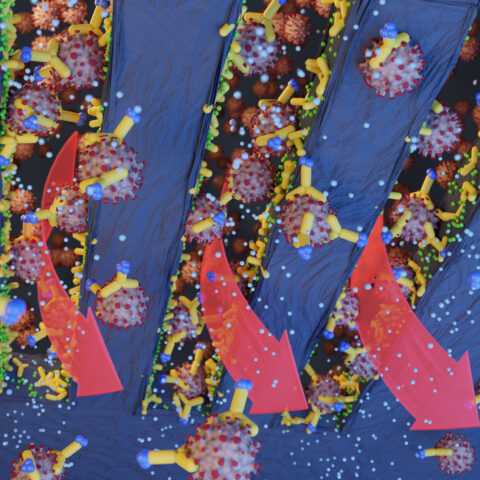
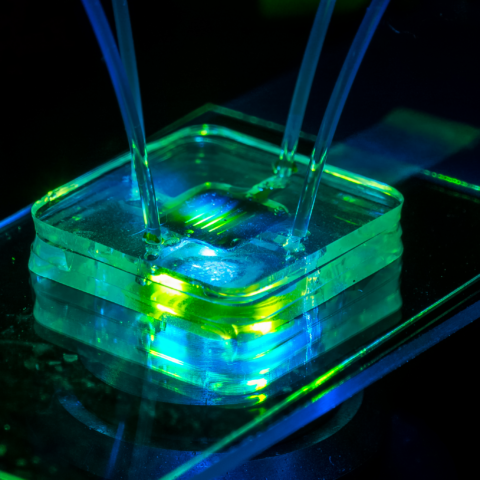
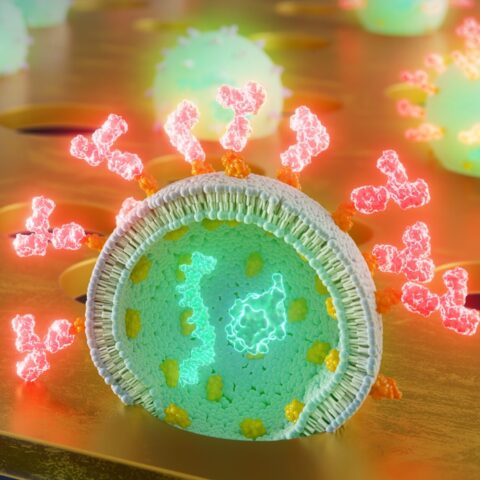
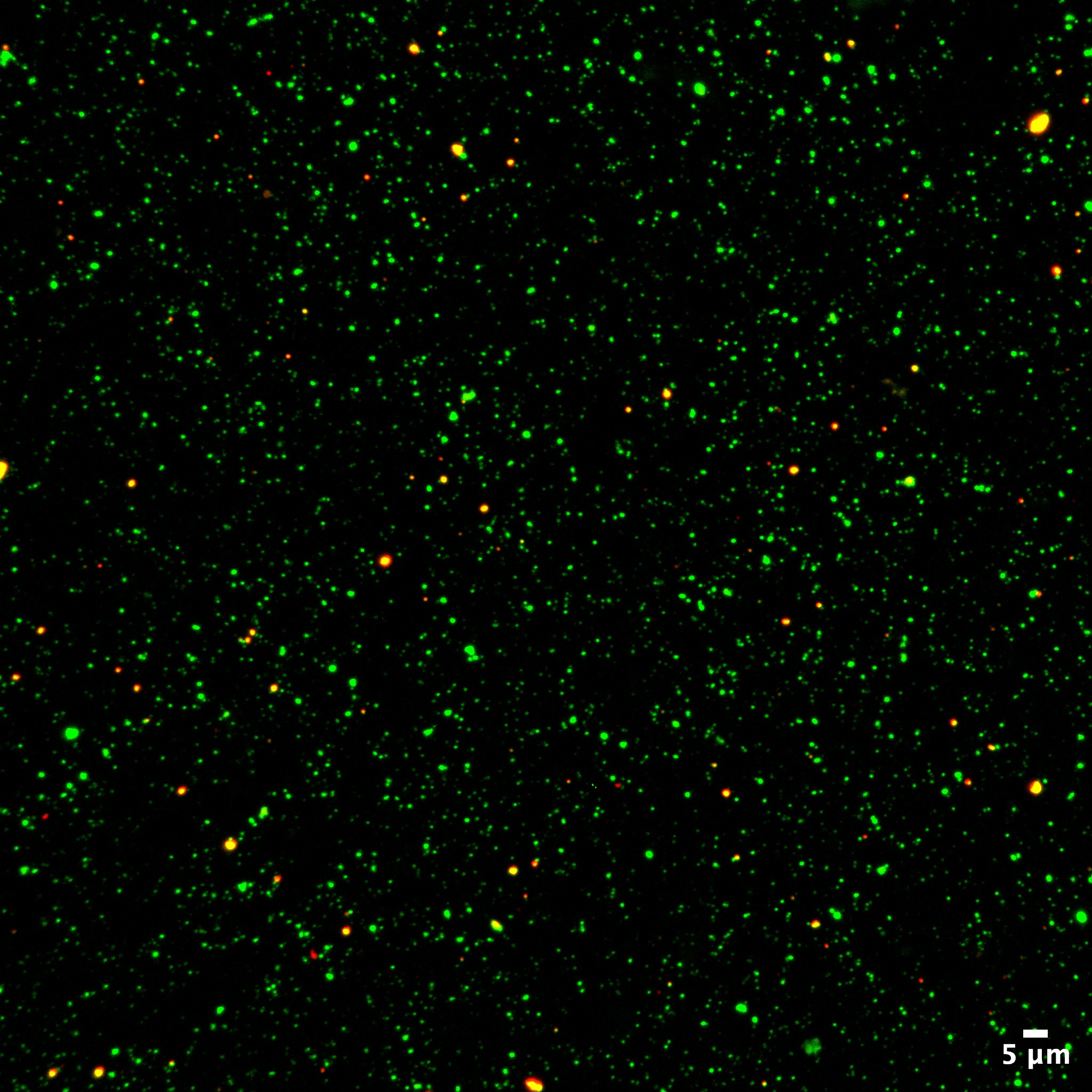
Our leading application are in tissue chips and diagnostics. For tissue chips, the membranes compartmentalize mimetics of human tissue with optically clear, highly permeable barriers. For diagnostics, the membranes capture and concentrate dilute species onto small areas where they can be more easily analyzed.

  • Login
  • Twitter
© 2026 Nanomembrane Research Group
↑
Responsive Theme powered by WordPress
1
    1
    Your Cart
    μSiM-CA Nonporous Membrane Assembled Device
    Qty: 1
    View CartContinue ShoppingCheckout